My Year in Paris with Gertrude Stein
Or my review of Deborah Levy's new contribution to literature.

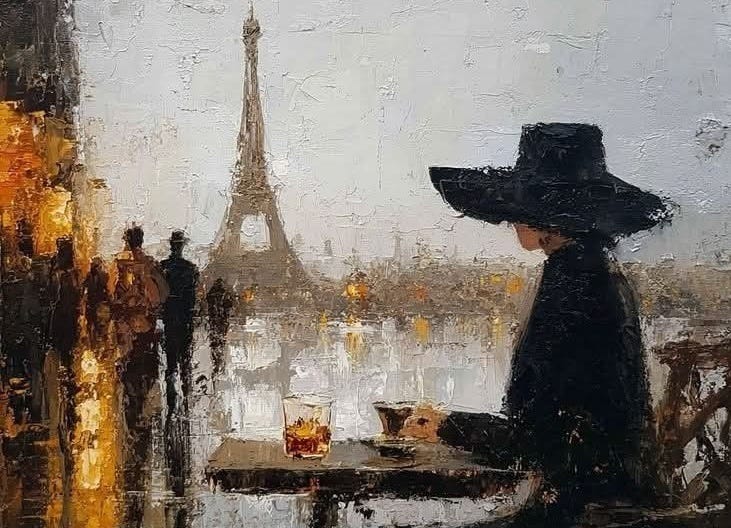
‘I like loving. I like mostly all the ways anyone can have of having loving feeling in. them. Slowly it has come to be in me that any way of being a loving one is interesting and not unpleasant to me.’
-The Making of Americans
in My Year in Paris with Gertrude Stein, Deborah Levy entrances you into a world of a narrator and writer wandering around Paris amid social unrest while becoming infatuated with Gertrude Stein, an American novelist and poet whose non-linear writing style inspired so many women writers after her. A creative way to not only give biographical moments of a beloved author via her own thoughts and poetry, but also give a fictional account searching for meaning in this terrifying world we live in every day.
The narrator knows so much, yet seemingly nothing at all about Gertrude Stein and the life she pioneered others to follow. While looking for her friend’s missing cat and living vicariously through their mutual friend’s love life, she is trying to piece together the beauty of the mundane and being modern in a constrictive society. Levy has you and these characters searching for purpose. What are we looking for in life? What is the quintessential epiphany moment every human should strive for?
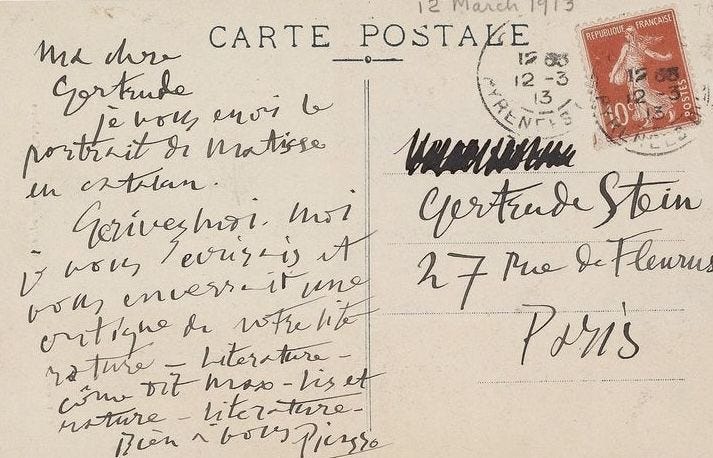
My Year in Paris with Gertrude Stein is more than just a letter to the mundane; it is also a look at genius in the making. Gertrude Stein’s legacy in literature is often overlooked and overshadowed. Deborah Levy creates familiarity with Stein, making it seem as if we, as readers, and the narrator know her on a deep, personal level. Stein left behind not only a legacy of the pursuit of modernism, but also physical pieces of her life, from poems to handwritten letters of friends, lovers, and admirers.
Stein was a pioneer in bridging the gap between art and literature, two art forms of equal importance to society, and the personal impact they have on us as human beings. Her book Picasso is a beautiful memoir of the most well-known painter, Pablo Picasso, told through the eyes of a great friend, Gertrude Stein. Picasso’s art was a stepping stone for Stein’s writing, giving her the ability to take Modernism and Cubism and translate them into writing rather than art. She brought together literary and artistic intellectuals through her own passions, changing the course of writing as we see it today.
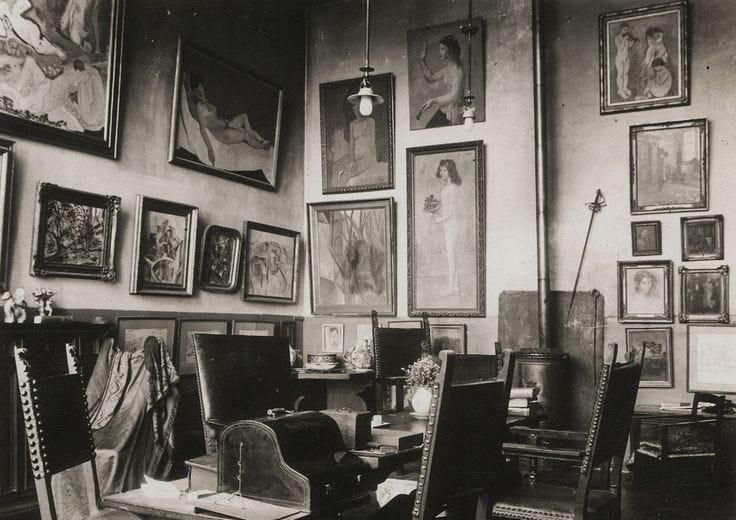
Gertrude Stein was a Paris socialite, creating intimate gathering spots at her Paris salon that included some of the most influential artists of all time, like Ernest Hemingway, Picasso, Mattise, and James Joyce. Stein created a place where history was being made during a transformation era for art and literature alike.
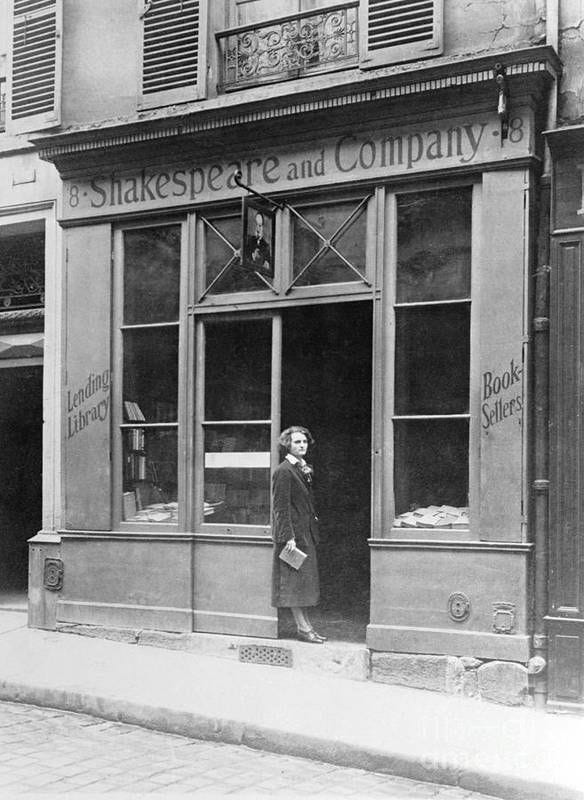
One friendship that turned sour was with Sylvia Beach, most notably the founder of the bookstore Shakespeare & Company and, controversially, the publisher of James Joyce’s Ulysses. Like Stein’s bookstore, Beach’s bookstore served as a hub for influential writers to network and witness creative expression amid the ever-changing artistic climate. Stein and Beach became good friends, but Stein felt Beach’s favoritism of Stein’s competitive contemporary James Joyce was a backstab. Deborah Levy writes, “Sylvia Beach was a woman of steely courage and intoxicating charm. I can imagine her hiding in the broom cupboard when Gertrude Stein walked into her bookshop. Stein was devastated that Sylvia had not published The Making of Americans, which had been lying in a drawer like an unclaimed suicide since 1911.”
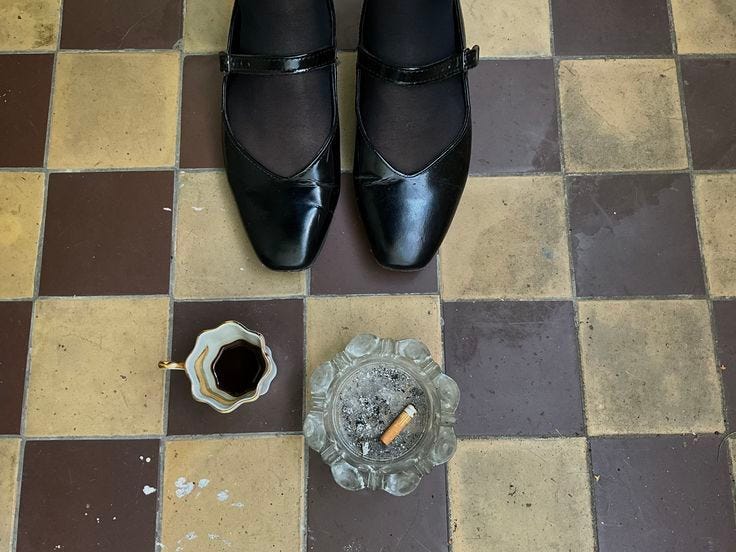
“Making a life. Making a life with love in it. Creating a body with no shame in it. Gertrude Stein did not fit the Victorian ideal of femininity and she knew it. She did not want it either. Creating a body of work. That no one else could have written.” -Deborah Levy, My Year in Paris with Gertrude Stein
Stein’s personal life was filled with iconic people in Paris, but also with love. She shared four decades with her lover and muse, Alice B. Toklas, whom she wrote extensively about. Gertrude was unapologetically herself and created a partnership often dubbed “Gertrude and Alice” because they were thought to be so entwined that they were almost one entity.
Gertrude Stein was always searching for the meaning, the why. It is said on her deathbed she uttered, “What is the answer?” and “What is the question?” Stein was always searching for a human’s purpose through art and literature. Was that the answer, the existence of beautiful things to occupy ourselves? We see the beauty in the mundane, to the onlooker, but what if we, like Gertrude Stein, want it all?