
My required reading list
Or the 12 books I think everyone should read from my totally (un)biased opinion

There are just books that I believe, in my correct opinion, everyone should read and experience at least once in their lifetime. These books should be mandated reading in your personal curriculum, blending gorgeous writing paired with heart-ripping anecdotes you’ll be subjected to if my advice is taken seriously in reading these 12 masterpieces.
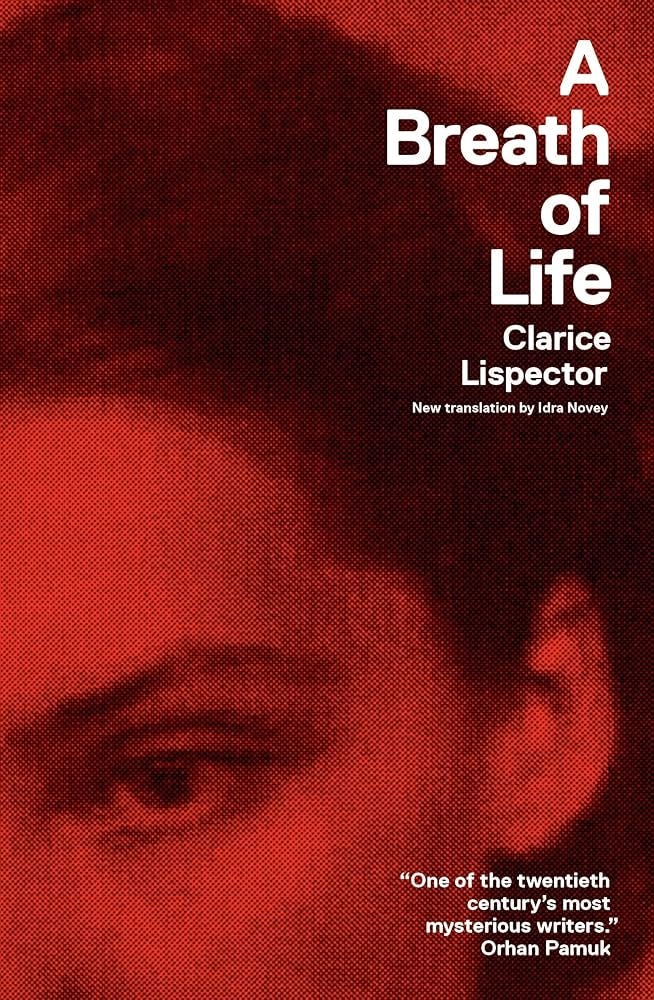
My all-time favorite book is written by none other than Miss Clarice Lispector. I do not know what this says about me and my mental state, but we are going to keep it moving because this book deserves everything and more.
Told from a writer and his creation, Angela, they discuss the abhorrent dealings of living and the anxieties of dying. A book-inside-a-book format puts the writer and his creation at odds; the question of who understands the complexities of the human condition better lingers between them. While the author is petrified by death (as Lispector is), his creation fears living and the suffering that comes with being a human being. This reminds me of Frankenstein... if Victor had a mother and had any sort of listening skills beyond listening to his own delusions. While the monster in Frankenstein is believed to possess no human markers, Lispector endows Angela with agency, presenting it as an entity beyond human curiosity and pain.
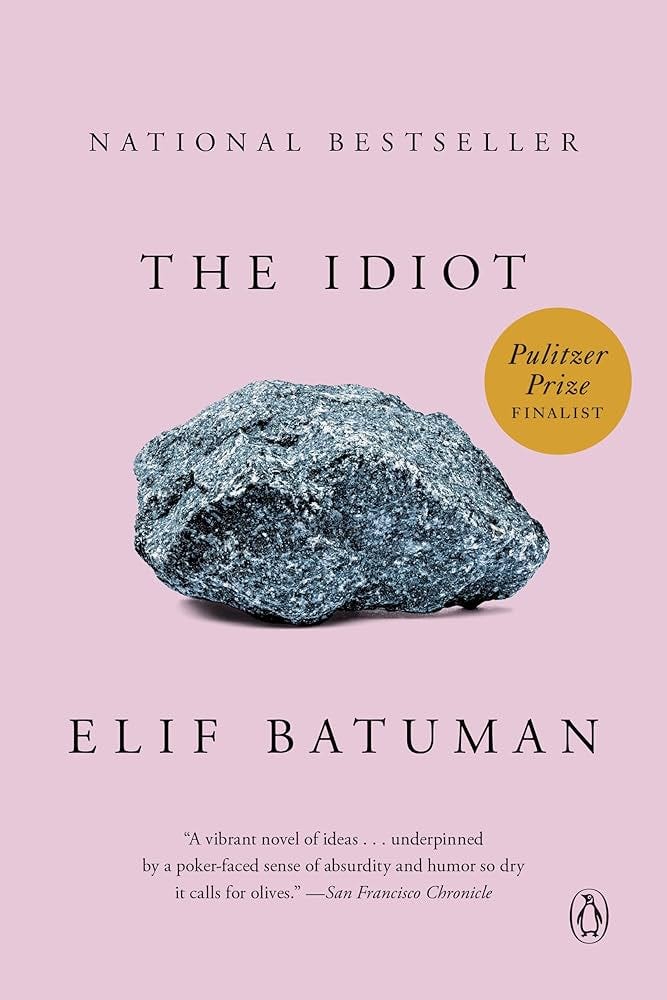
The Idiot and the book that follows, Either/Or, relate to me at such an extreme level, barring the academic striving Selin has, as my way was lost in the wind by my senior year of high school. I’m brought back to a time of childish limerence and dreams that have since been buried by the world in which we live now. I want to go back to a time when I saw myself in Selin 100% of the time.
This novel follows Selin, a Turkish-American Harvard freshman in 1995. Over the course of a year, Selin attempts to figure out who she is as a person, as a writer, and as her email persona. This leads Selin to start corresponding with an older Hungarian student named Ivan, creating a very odd yet realistic dynamic of falling in love, or the thought of love. The Idiot is a journey through self-discovery and resentment, played out through homage and critique of famous literature. You are following Selin in her quest for knowledge via university courses that directly address the conflicts in her life.
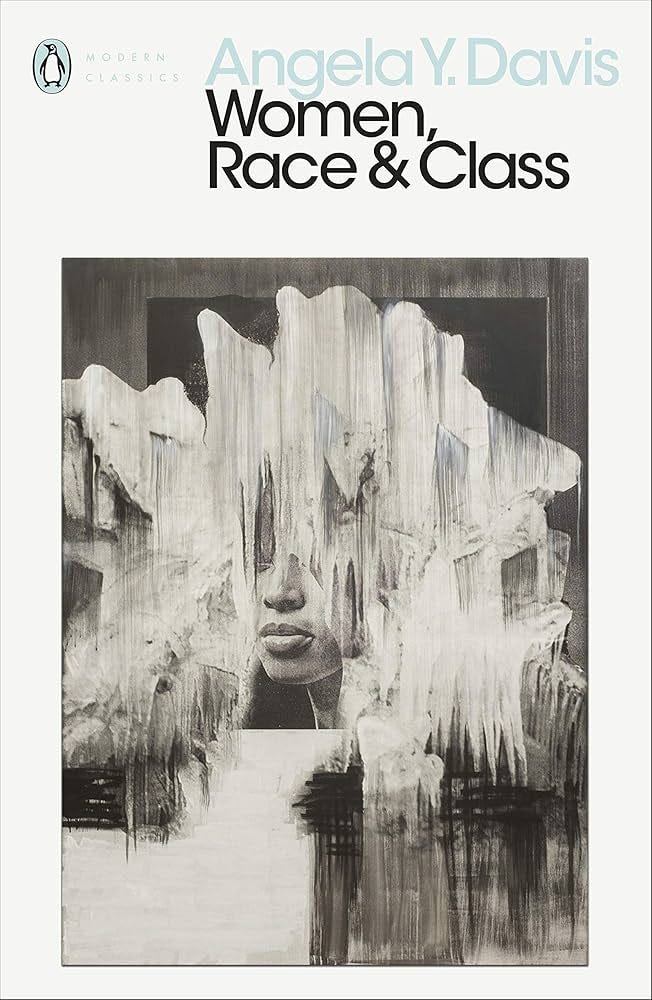
If there were ever a book that should be required reading for everyone, it would be this book or anything from this writer. Angela Y. Davis is a well-known political activist and philosopher who focuses on showcasing injustices that happen right under our noses, or are completely ignored by the masses. She has advocated, most notably, for prisoner rights, the abolition of the prison-industrial complex, and intersectional feminism, often forgotten in the mainstream view of feminist liberation.
Women, Race & Class takes a look into feminism, and its start, where elitism and subjugating practices were still upheld, how racism and the class war dictated which women were allowed basic rights, how white women fought for their own suffrage while leaving out those who paved the way before them. This is a necessary and critical look at how feminism became a “me not you” movement and the exclusionary practices that continually set it back.
It’s such a tough feat when recommending just one Virginia Woolf book to have someone fall in love with her dream-like and disjointed writing style. I go back and forth, should I recommend The Waves, Mrs. Dalloway, or even her nonfiction A Room of One’s Own? The answer, of course, is to read all her work, but start with To The Lighthouse because I said so.
Mr. and Mrs. Ramsay, their 8 children, and a plethora of other guests at a holiday lake house set the scene of a masterful fever dream filled with fears of death, being left behind, and the moral implications of remembering. We take a peek into Mr. and Mrs. Ramsay’s marriage, which paints a picture of the loneliness only one-sided love can cause, a mother-and-son relationship that breeds resentment towards others, all these relationships creating a volatile family dynamic. Told through a distant voice-over, Virginia Woolf explores the complexities of life and raises questions about its purpose.
Thinking about this book til the end of time, it is just the only way. The obsession I have for this masterful work runs deep: that one book that feels like the first time every time I reread. RIP Mary Shelley, you would have loved Mona Awad, the use of cannibalism as a symbol of love, and Cherry Wine by Hozier.
Summarizing Frankenstein never does it justice, especially from me. Mary Shelley uses the depiction of a monster created by human greed, solitude, and the belief that we are greater than the world itself to perfectly showcase the evils of the world. We are not born to rule over others and let the evil flip a switch. The capitalist and individualistic society has made these actions acceptable. Frankenstein is a mirror of our world, what we have made of it, and the ways in which nothing can be reversed.
Would not be a list without Joan Didion herself. Play It As It Lays showcases the fake, glamorous 1960s Hollywood alongside the Mojave Desert and the search for meaning as the real star of the show.
Maria Wyeth is a struggling woman in the 1960s in the LA and Las Vegas areas. While sitting in a psychiatric hospital, we become privy to Maria’s life and why she was ultimately committed. The main character deals with grief, divorce, a sick child, and pregnancy in a very unhealthy way, to the point of her seeing figments of her imagination. This book helps portray unhealthy and addictive coping mechanisms and the dangers that can occur. It’s a story where not much plot happens, but the main character’s mental deterioration is the focus. Didion was able to show a woman’s mental health struggles in such a realistic and uncomfortable way that it was hard to put down.
Thinking about this quartet and the feeling I got reading and heavily annotating one summer was like no other. Elena Ferrante just has a way with the intrigues of friendships as the backdrop for social and economic instability.
Book one out of a four-part series delves deep into the complexities of female friendships and the violence they endure. Elena and Lila are two childhood best friends growing up in 1950s Naples, experiencing childhood and adolescence together, offering a look not only at their dynamic but also at the nature of the neighborhood around them. While their bond is strong, their foundation relies heavily on competition, comparison, and heavy emphasis on the male gaze. The unspoken bond between Elena and Lila is constantly tested by the conditions of their personal lives and those around them. They both dream of getting away from what they were born into, but often get dragged right back in.
Ferrante is able to blur the line between the importance of friendship and the toxic nature it can fester. My Brilliant Friend also shows the brutality created by men in society, upholding social constructs for their own pleasure rather than what is fair and just. The girls are subject to violence disguised as love, quoting, “I feel no nostalgia for our childhood: it was full of violence.”
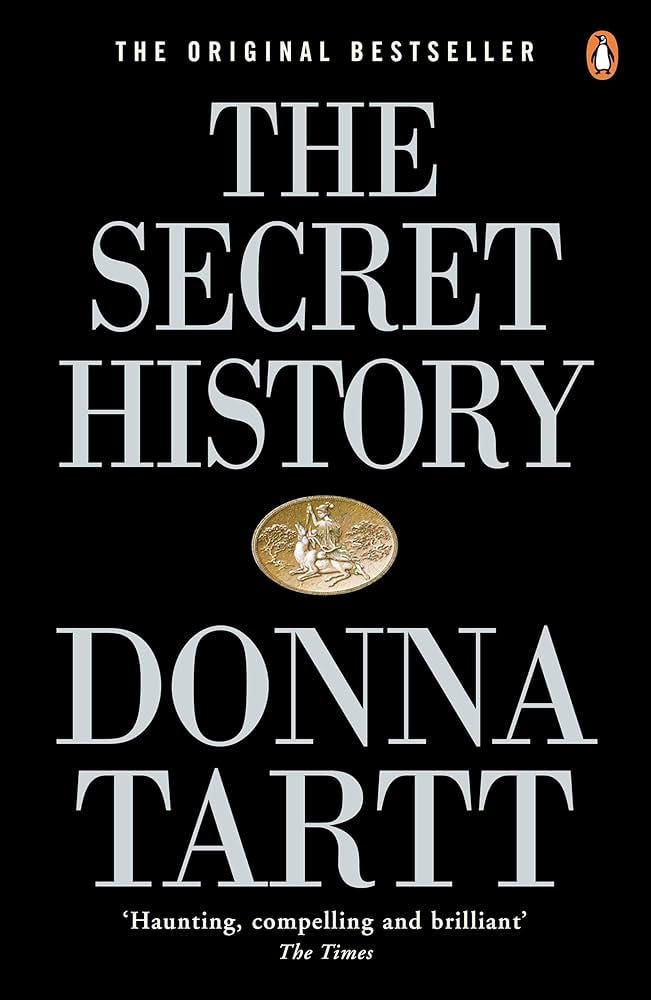
Donna Tartt, if you can hear me, where are you? It’s been over ten years. One of the most famous dark academia and literary criticisms of midwestern elitism has made it onto this list, by no surprise to anyone who reads literature.
Set at a New England Liberal Arts college, the story follows Richard Papen, an outcast amongst his peers for his social status, who finds himself in a secret, elite classroom full of rich, often eccentrically annoying characters all studying Greek and forming a cultish group around their superiority complex. When one of the group’s members is murdered, the group spirals into insanity in their own personal ways. A commentary on class, the elite nature behind American academia, and the demise of oneself because of narcissism, all wrapped into one, with insufferable characters and murder sacrifices.
It is no secret that my love for Annie Ernaux runs deep. When someone asks where to start their journey with her writing, the answer is always Happening, without a doubt.
Forty years after Annie Ernaux finds out she’s pregnant, she recounts the story and deep-seated trauma of being twenty-three in 1963 France, where abortion is illegal. She describes the desperation one feels and the lengths to which one goes after the right to healthcare is stripped away. Told through old journal entries and memory, the scary and dangerous reality of not having safe, accessible, and legal abortions is displayed through her firsthand account. While only 70 pages in length, the message and importance of this novella cannot be lost on you. This feels extra unnerving to read as specific policies are simultaneously going backward in places like the United States. Ernaux’s experience is not uncommon, making this piece of literature a necessary story to share. We are reminded by this novella that abortions don’t stop happening because they become illegal; just safe ones do.
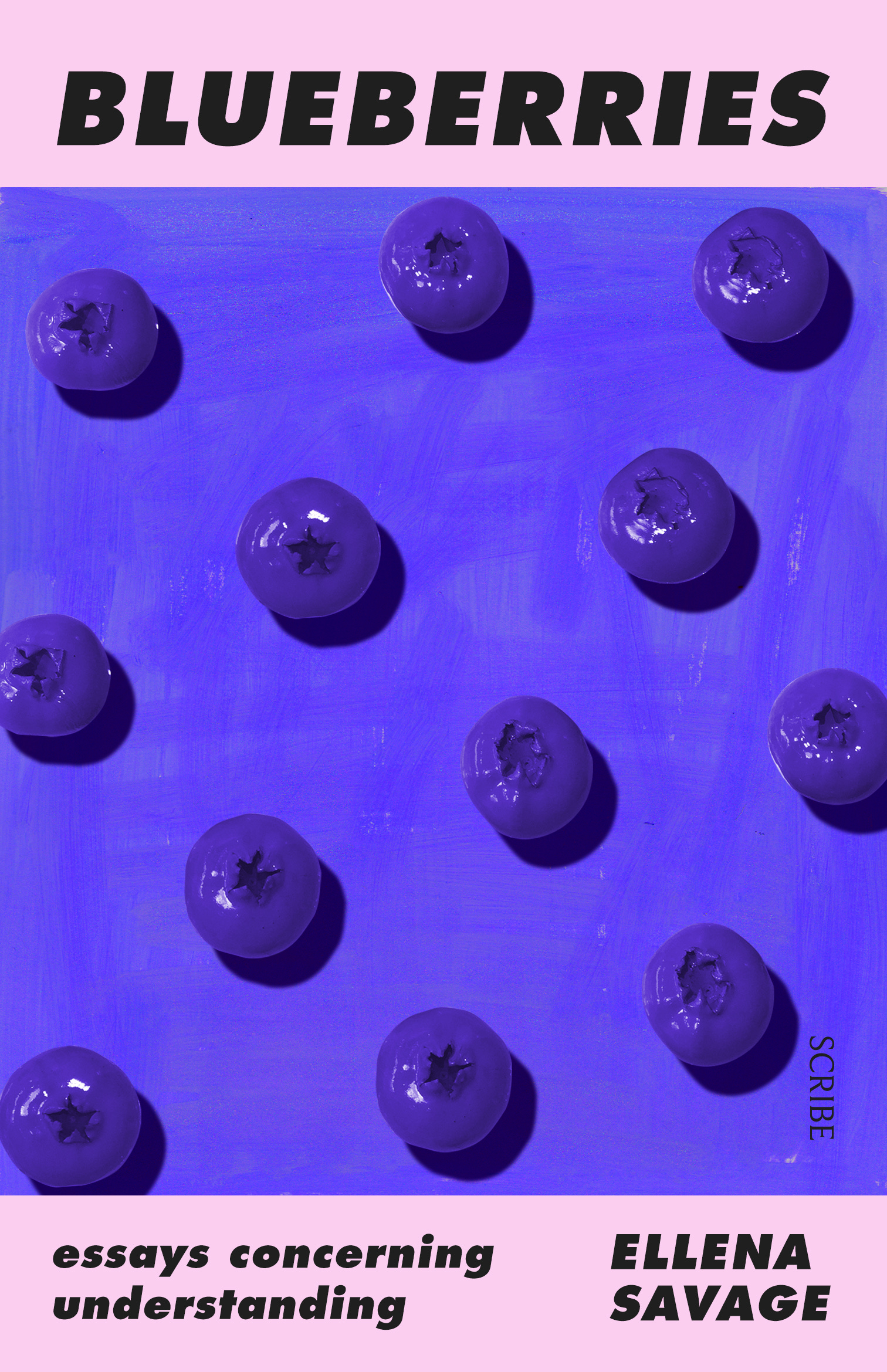
It’s a shame I never hear people talk about this work of literature. A collection of essays about trauma, your body, and the process of writing through the difficult times as a sort of therapy session. Ellena Savage finds herself in a Portuguese police station trying to file a sexual assault report, feeling subjected to judging eyes and the loss of her own body’s agency. She also finds herself learning and creating stories while critiquing the elitism of the American academic system, and how many are held down by the systems in place, keeping the population from discovering the truth systemically.
This is a collection about agency over our bodies, agency over our education, and agency over our drive and desires to become writers, even though it seems impossible.
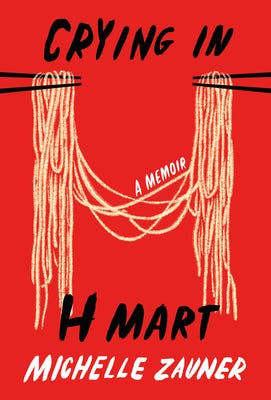
This book reignited my love for reading in the summer of 2021, blending food, grief, and the resentment a mother-daughter relationship can fester into. I am forever indebted to you, Michelle Zauner.
Michelle Zauner, lead singer of Japanese Breakfast, grew up as a Japanese American and did not feel welcome anywhere. from school to her own home, she often felt like the “other” in the world. Overbarred by her mother’s presence, Zauner moves across the country trying to escape her confinement. It isn’t until her mom’s terminal cancer diagnosis that she comes to understand the unconditional love a daughter has for their mother, while also having to deal with the extreme resentment that festers. Zauner perfectly portrays how you can regress to a child again, searching for a mother’s acceptance as if nothing had happened in between.
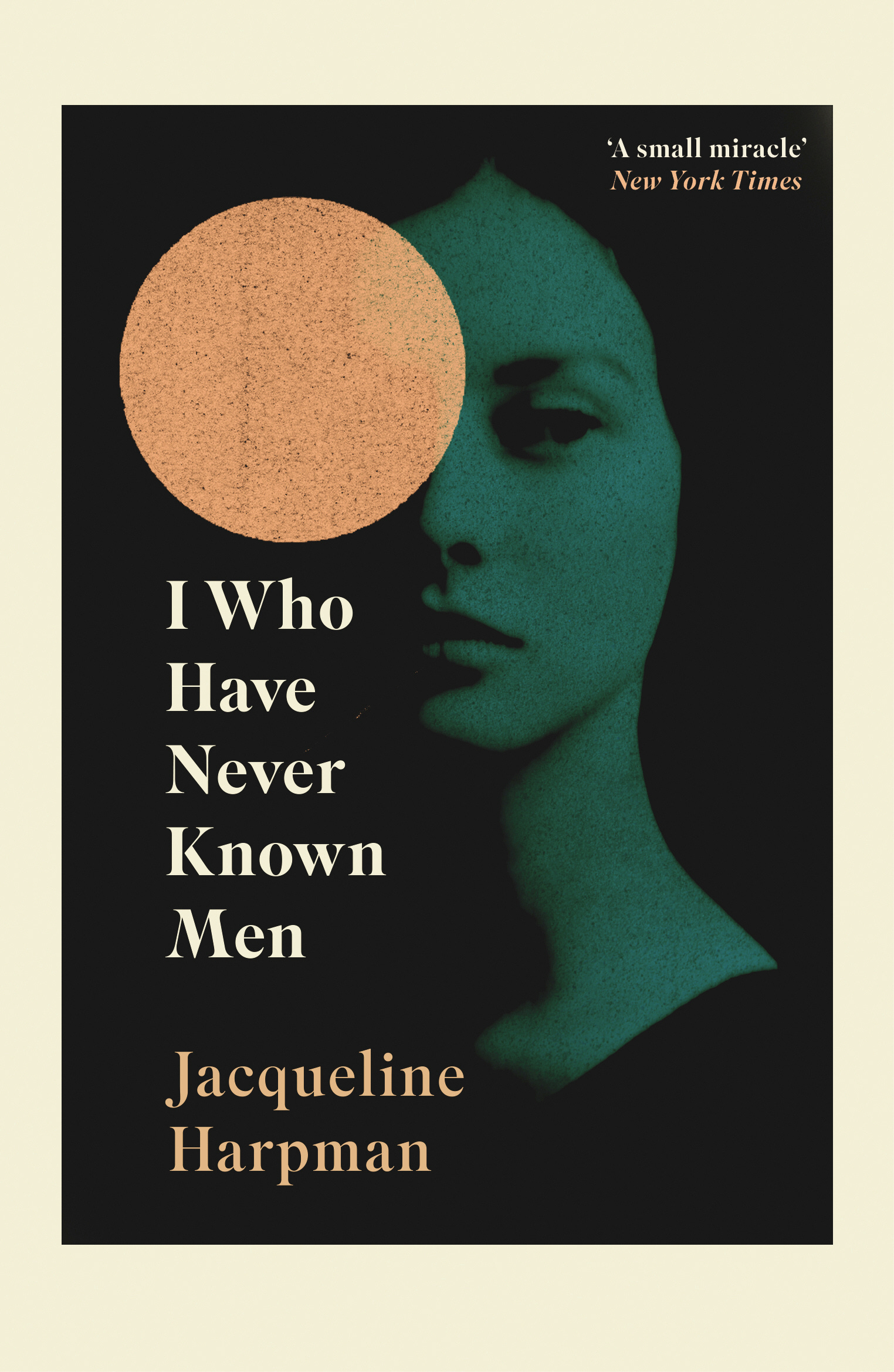
Still one of the most unnerving, unsettling, nauseating, and downright horrendously incredible books I have ever read. Will I ever forget the visceral nature of this book and recover? probably not so tread with caution.
Forty women are trapped and surviving in an underground bunker without recollection of how or why they are there. Among the women, our narrator is a young, unnamed girl who knows nothing about herself beyond being a prisoner. While being monitored 24/7 and deprived of any human contact, these women are forced to live day in and day out, lost in their own thoughts, while ultimately having no memories or connections to go off of. Suddenly, the unnamed narrator is thrown into the unknown feeling of freedom, along with the thirty-nine other women, having to piece together what is left of the world. These women are challenged with fending for themselves, having to figure out life outside of captivity, until the feeling of complete and utter loneliness takes over the narrator. This short novel poses questions about humanity, freedom, survival, and human connection, offering a rather bleak, terrifying, and ambiguous conclusion.
play it as it lays, frankenstein, secret history everyone should read at least once